At Performance Communities, investor returns and resident outcomes are designed to support one another. The standard that improves residents’ lives — longer tenancy, insurability, durable asset quality — is the same standard that protects and compounds investment value.
A community held to a real standard of place keeps residents longer, stays insurable, and protects asset value — which is precisely what makes it a sound investment. The two commitments are one argument, not a trade-off.
Every community is evaluated against the platform’s impact standard. Homeownership and equity is the economic foundation; from there, the standard is measured across four dimensions — each pursued where the cost-benefit analysis supports it, held to the same discipline as every other underwriting decision, and not stated as a uniform promise across all assets.
The economic foundation of every other dimension: moving residents from renting a vehicle-financed home to owning real property they can build equity in — serving the Missing Middle the market has priced out.
Programming, resident governance, and gathering spaces that turn a place to live into a place to belong — pursued where the cost-benefit analysis supports it.
Building health drawn from the founder’s LEED Platinum development heritage: air and water quality, and durable, low-toxicity materials — where the cost-benefit analysis supports it.
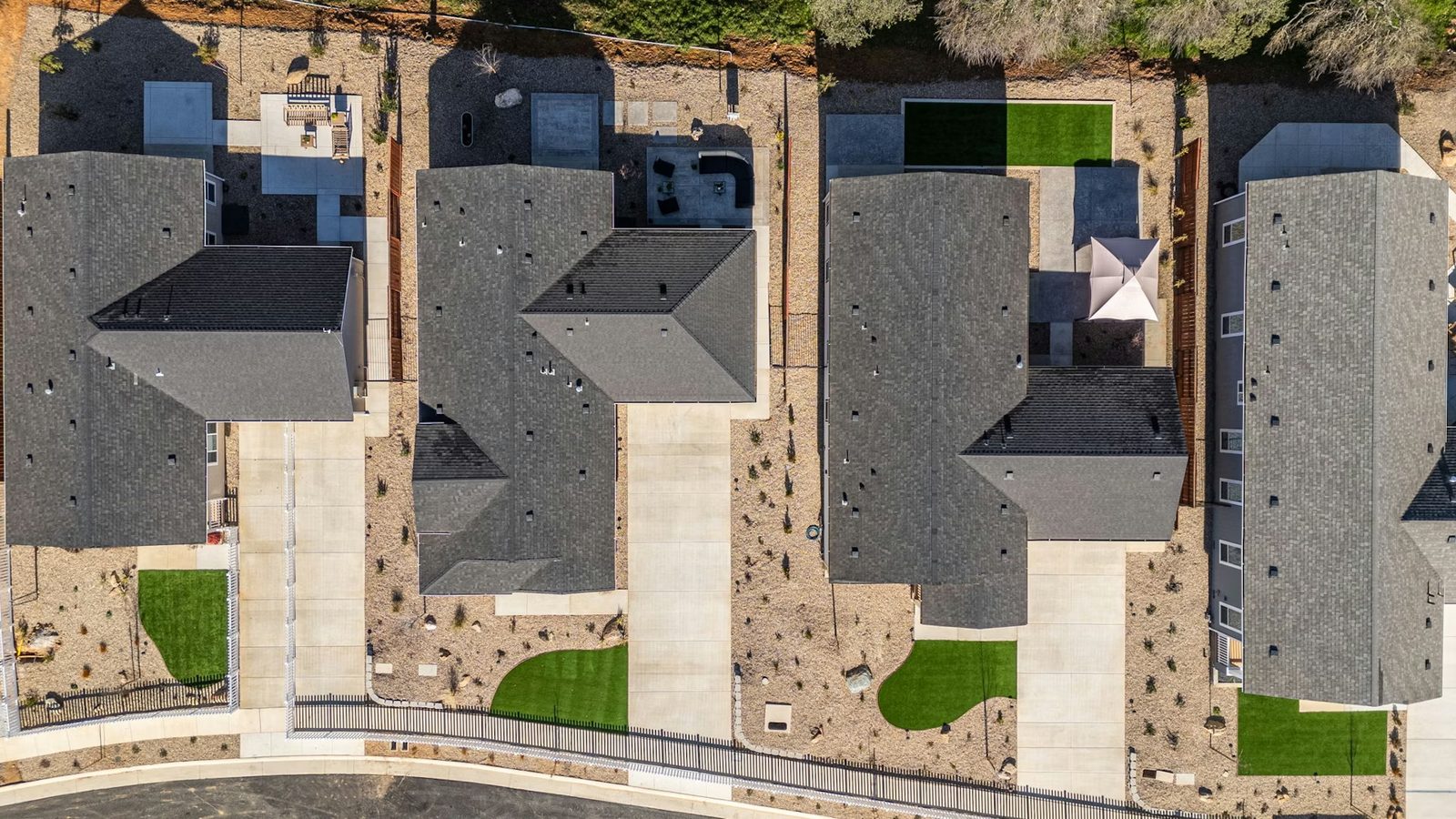
Solar and LED site lighting, water sub-metering and conservation, and drought-tolerant landscaping that lower both impact and residents’ monthly costs — where the cost-benefit analysis supports it.
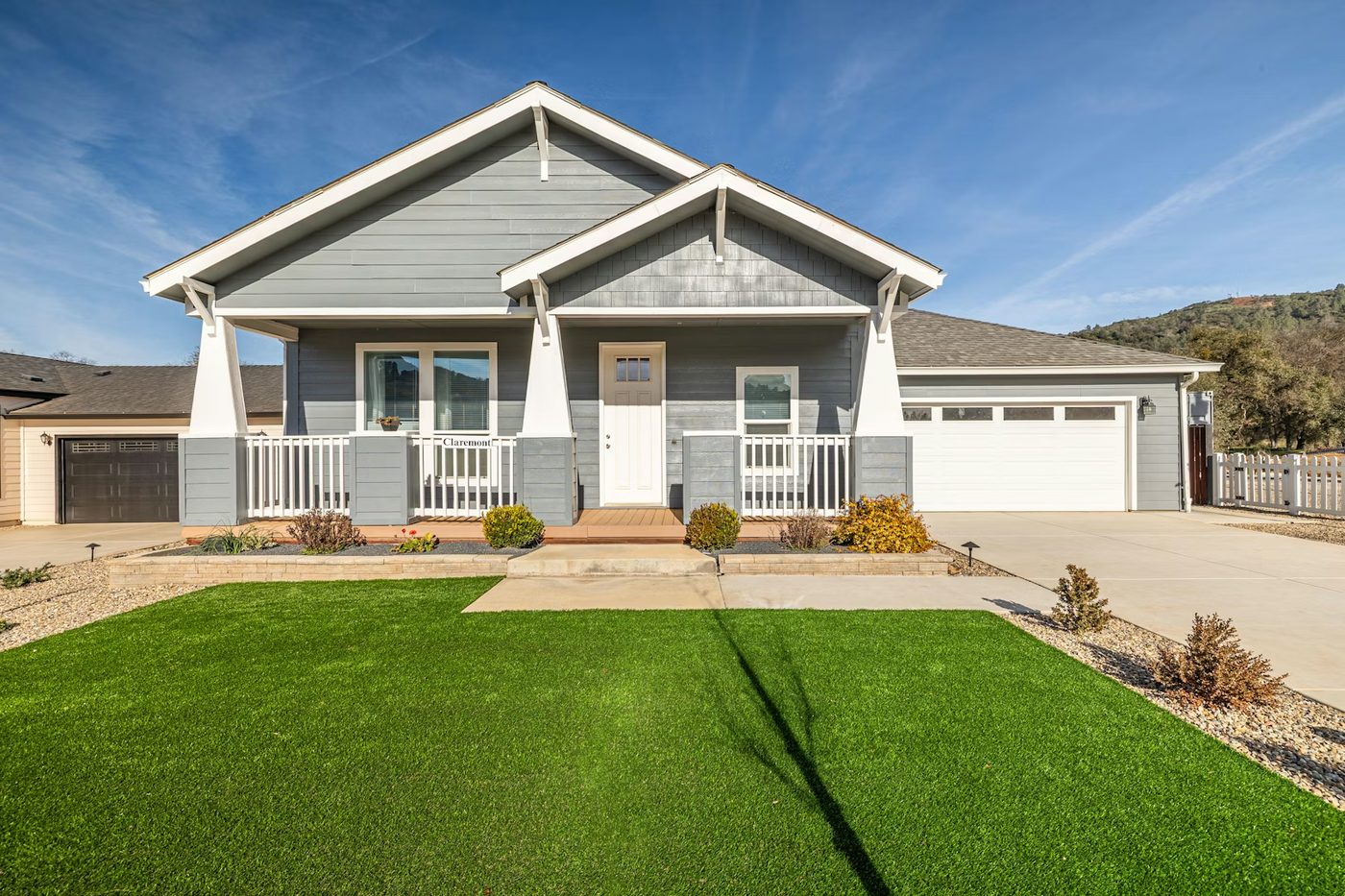
Design, cleanliness, and streetscape standards that make a community indistinguishable in feel and quality from a well-designed conventional neighborhood — where the cost-benefit analysis supports it.
The four-dimension standard is the platform’s aspiration brought to every project evaluation. It is applied where the cost-benefit analysis supports it and is not a uniform commitment across all assets.
It draws on the founder’s work at the intersection of the U.S. Green Building Council’s Building Health Initiative and LEED-certified development — carried into manufactured housing and held to the same underwriting discipline as everything else the platform does. The same discipline extends to fire-resilient construction where location and insurability warrant it.
About the firm →